The problem
Durex wanted a guerrilla activation in Milan: stop passers-by, create something worth photographing, and talk about connection and intimacy, which is the brand's positioning. The constraint was that it had to work in the street with no infrastructure at all: no power outlets, no network, no fixed mounting. Set up in minutes, running on its own for hours, packed down just as fast.
What we did
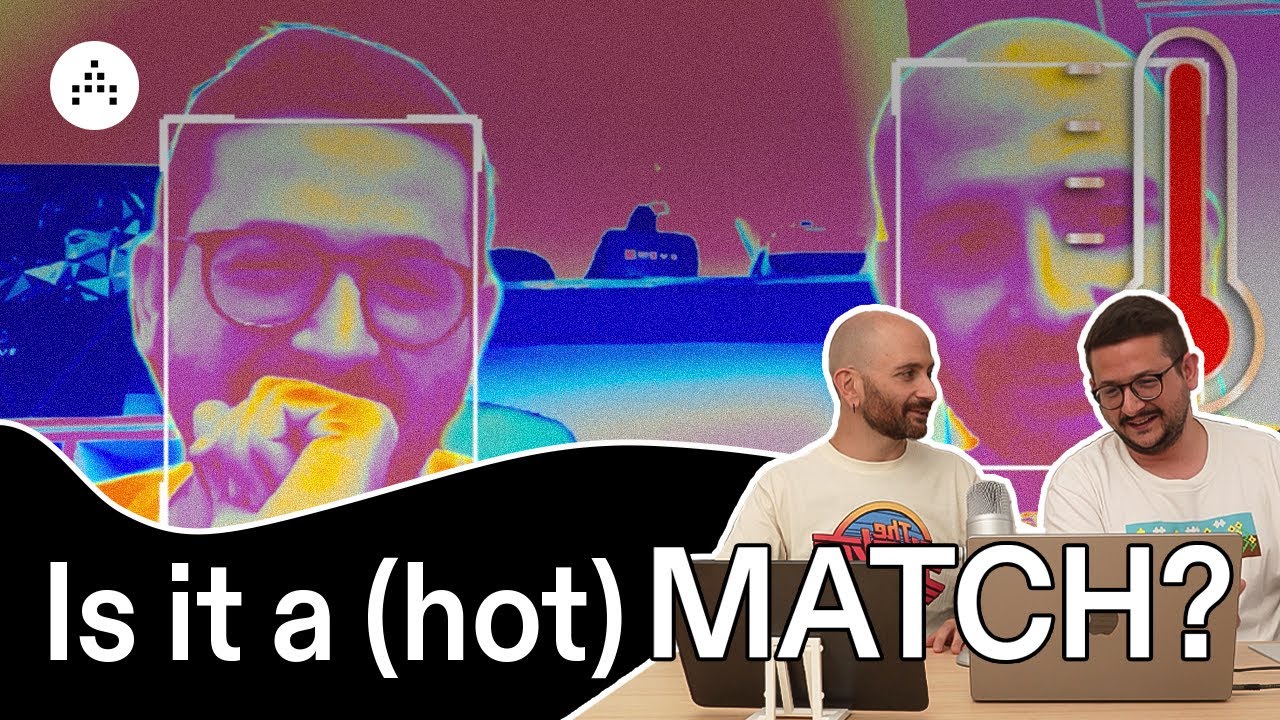
A fully self-contained interactive system, built together with VirtualBlast: a battery-powered totem we designed and a wireless LED wall. Inside the totem is an iPad running a Unity application doing real-time computer vision, with face tracking and depth estimation processed on the iPad's GPU. When the system sees exactly two people standing together in front of the totem, a branded experience starts and is transmitted over Teradek to the LED wall.
The sequence is simple: people walk up, the system recognises a couple, the LED wall comes alive with a short Durex game, and the ambassadors on site hand out a gift. It lasts under a minute and is made to be filmed on a phone.
How it works
Couple detection uses our Body Control framework, with face tracking and depth estimation running locally on the iPad, no cloud. The totem came out of our workshop: it withstands rain and the battery lasts a full day.
How it went
The installation ran across several activations in Milan, drew a crowd every time and produced spontaneous social content. The surprise of an interactive installation that shows up in the street and runs on its own is exactly what guerrilla marketing is after: the technology stays invisible, the brand does not.