Studio
We design and develop XR applications that connect physical spaces, digital systems, and real-world interaction.
We always start from something that exists: an abbey to survey, a production line to explain, a room that should react when someone walks in. Space is the material we work with. Photogrammetry, real-time 3D and installations are how we handle it.
First we survey, then we build the model, then we make it something people can use. The result has to hold up in production: software that runs every day, an installation that survives a four-day trade show. A nice render is not enough.
Unreal, Unity and WebGL for real time. Drone and ground photogrammetry, laser scanners and structured light for surveying. LED walls, sensors and tracking systems when the project lives in a physical space. We choose the tool after we understand the problem.
Companies with products or plants that are hard to show in person. Heritage authorities and museums that need to document a site and open it to people who cannot visit. Agencies that have sold an installation to a client and now need it to work. Architecture and engineering firms working on existing buildings.
Unreal Engine · Unity · WebGL / Three.js · Photogrammetry · Laser scanning · LED wall · Sensors and tracking · Revit / BIM
THEY WORKED WITH USGeberit · Durex · ESA · Surteco · Pamesa · eFM · C&C Milano · Soprintendenza ABAP
Work
SPOTLIGHT
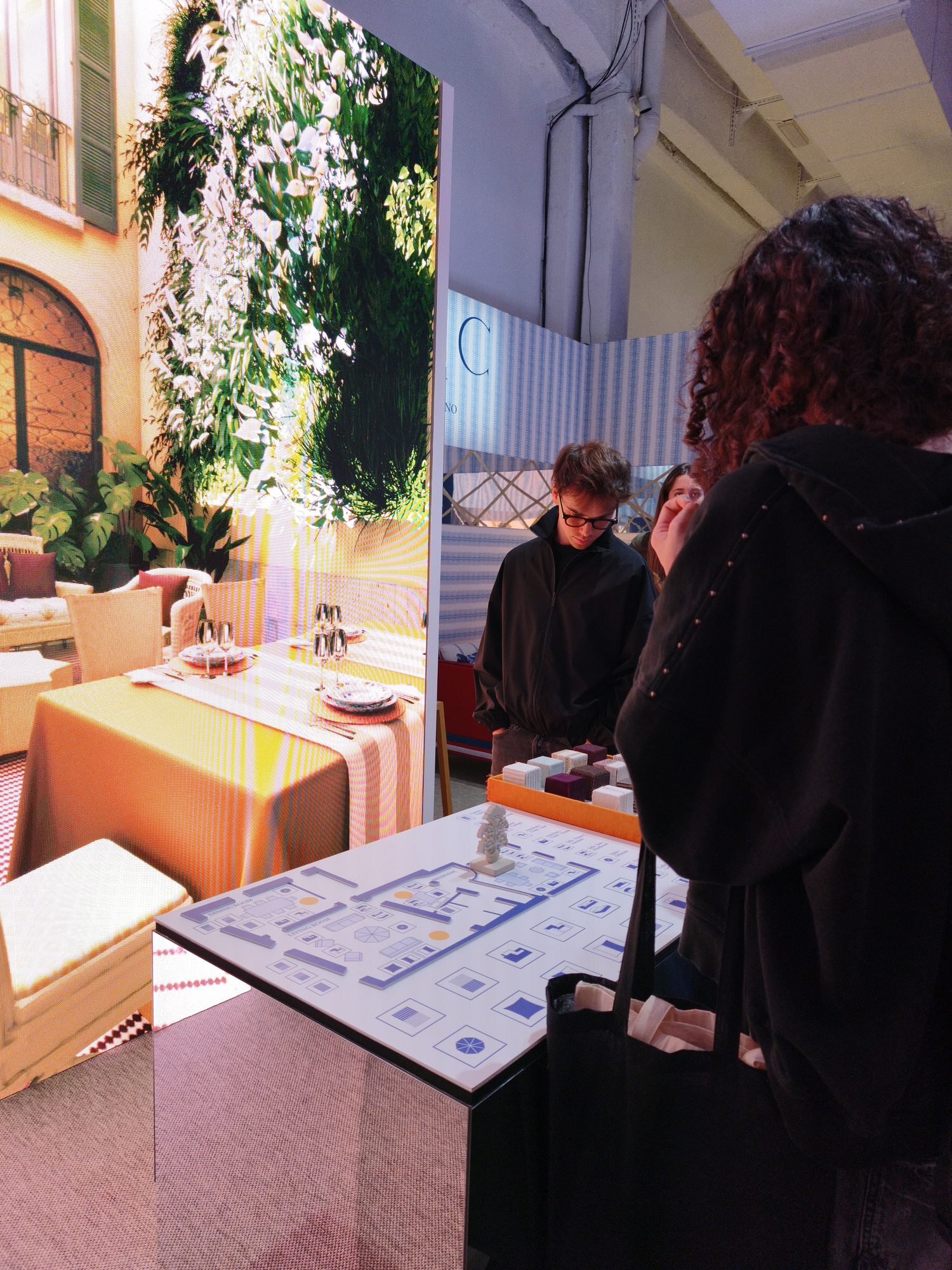
C&C Milano Tactile Atelier
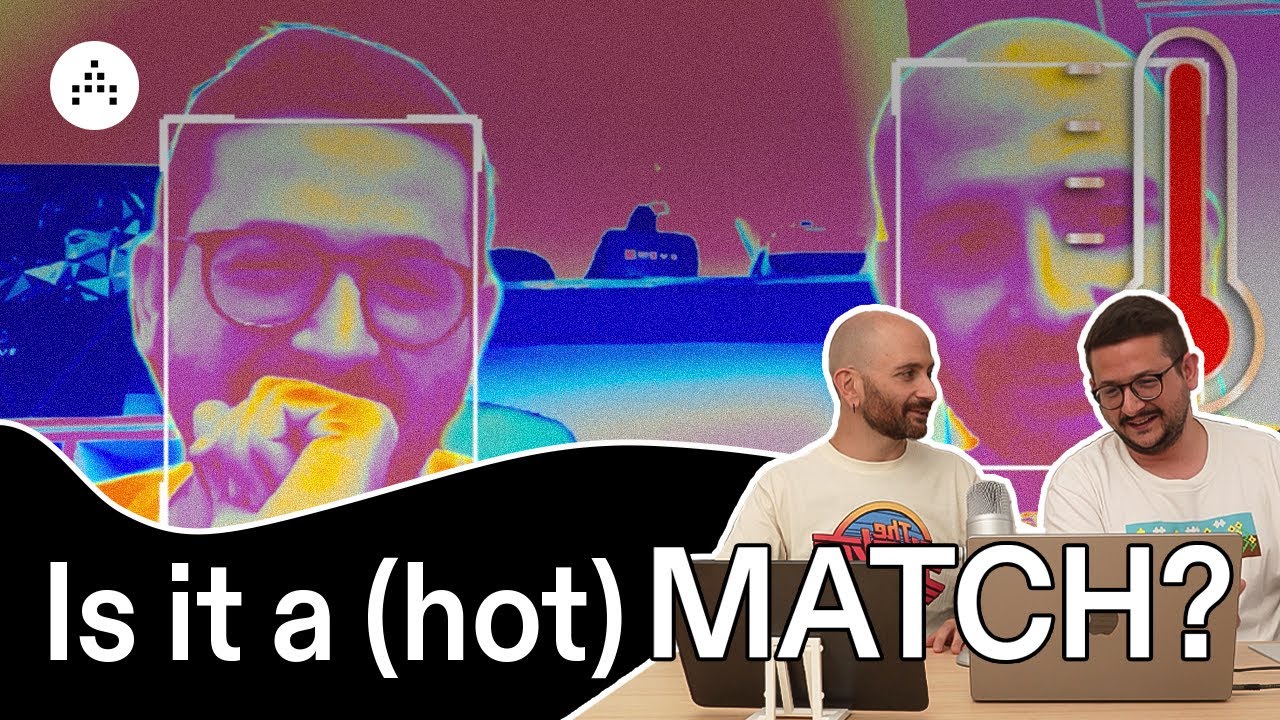
Durex OOH
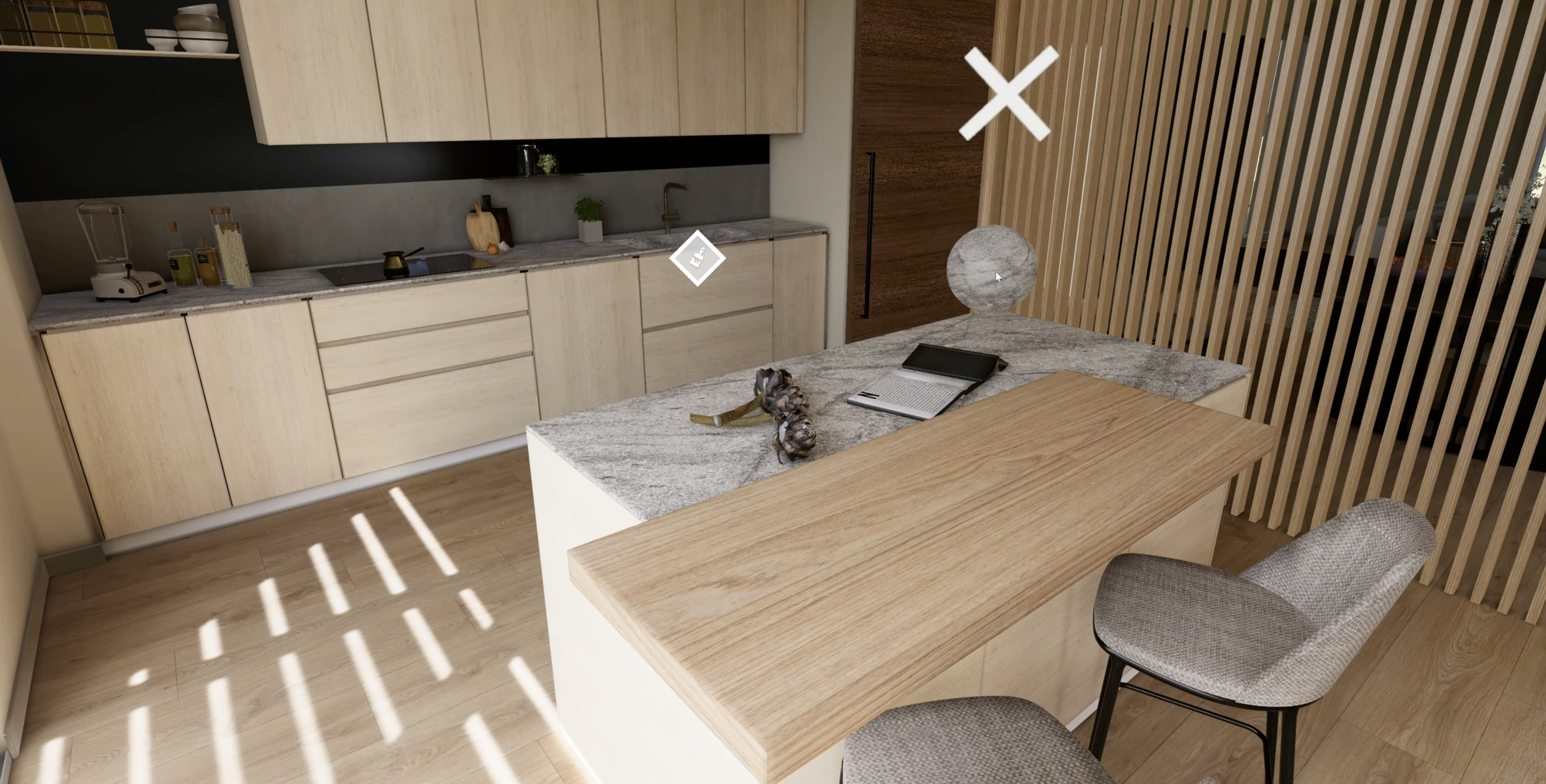
Surteco XR
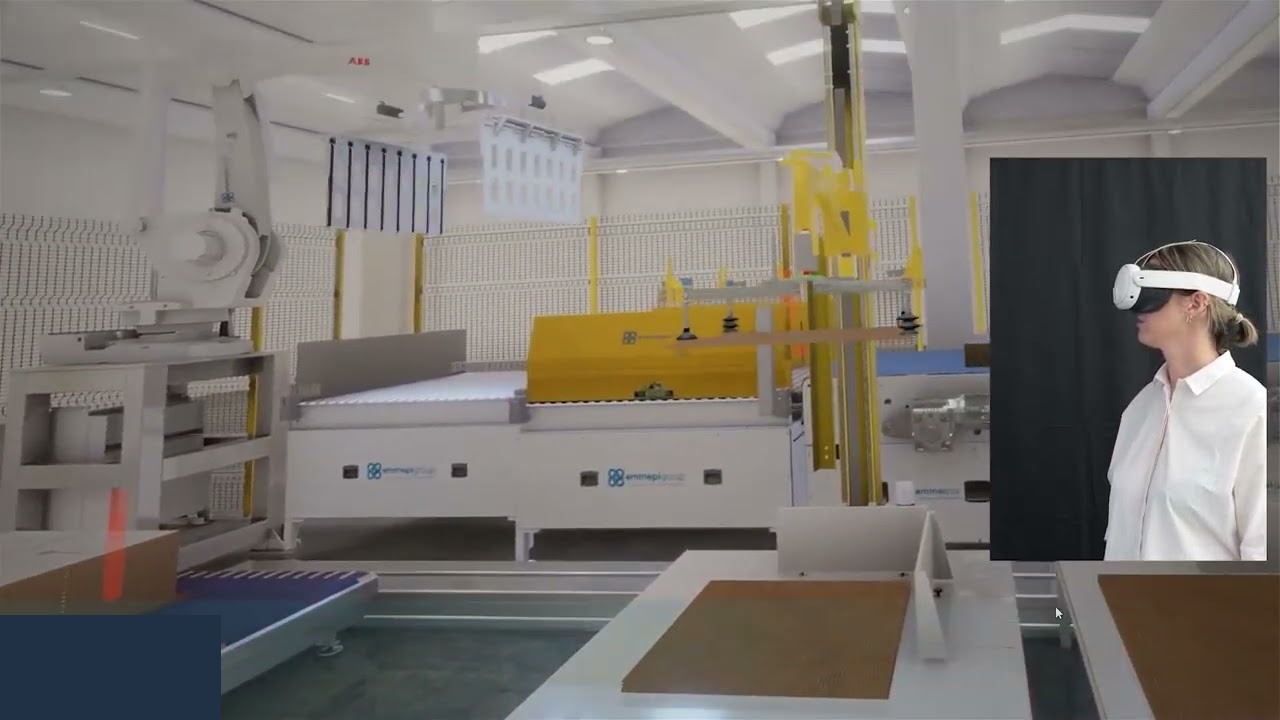
Emmepi VR
Replica3D
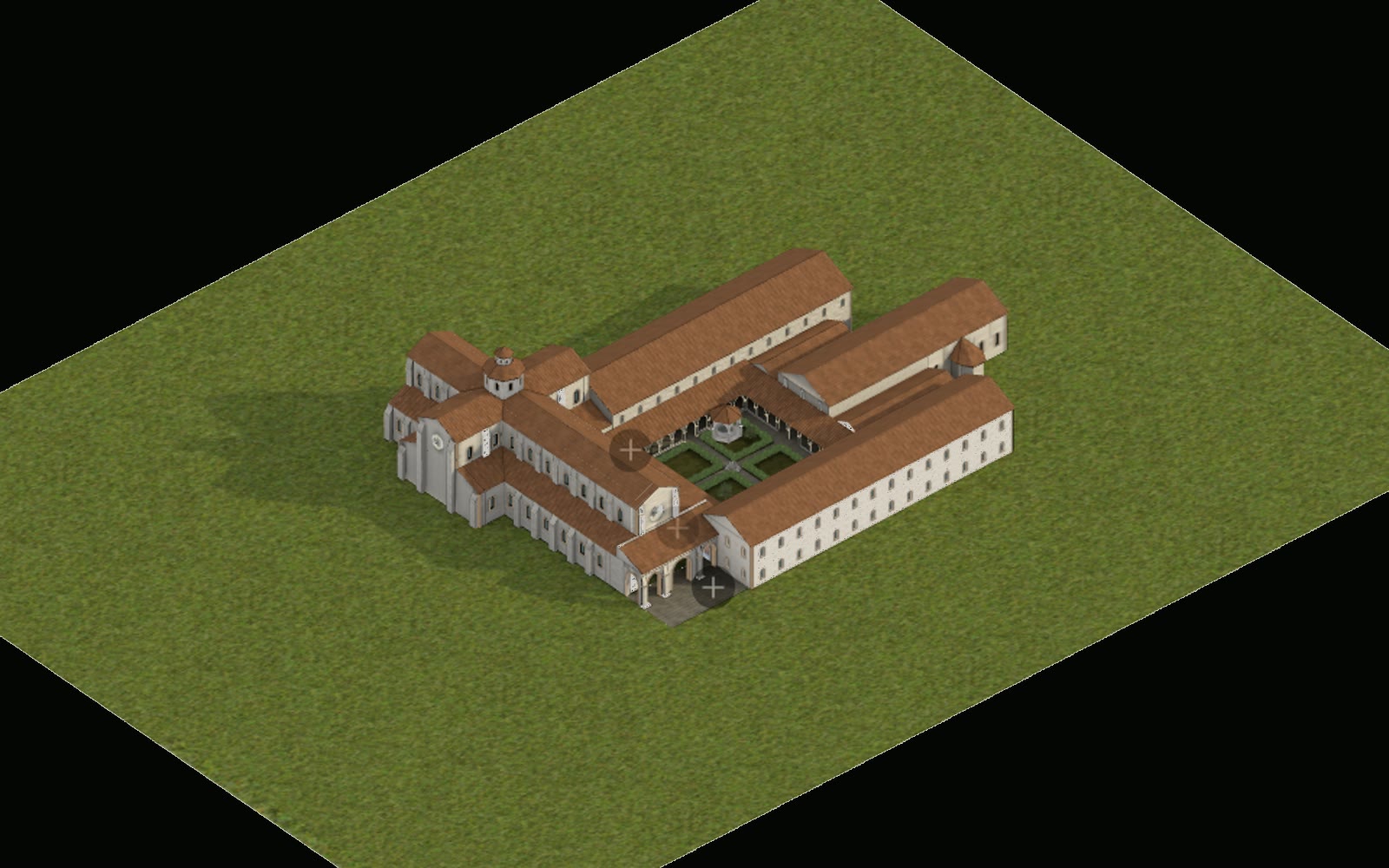
Abbey of Scurcola
INDEX
Writing
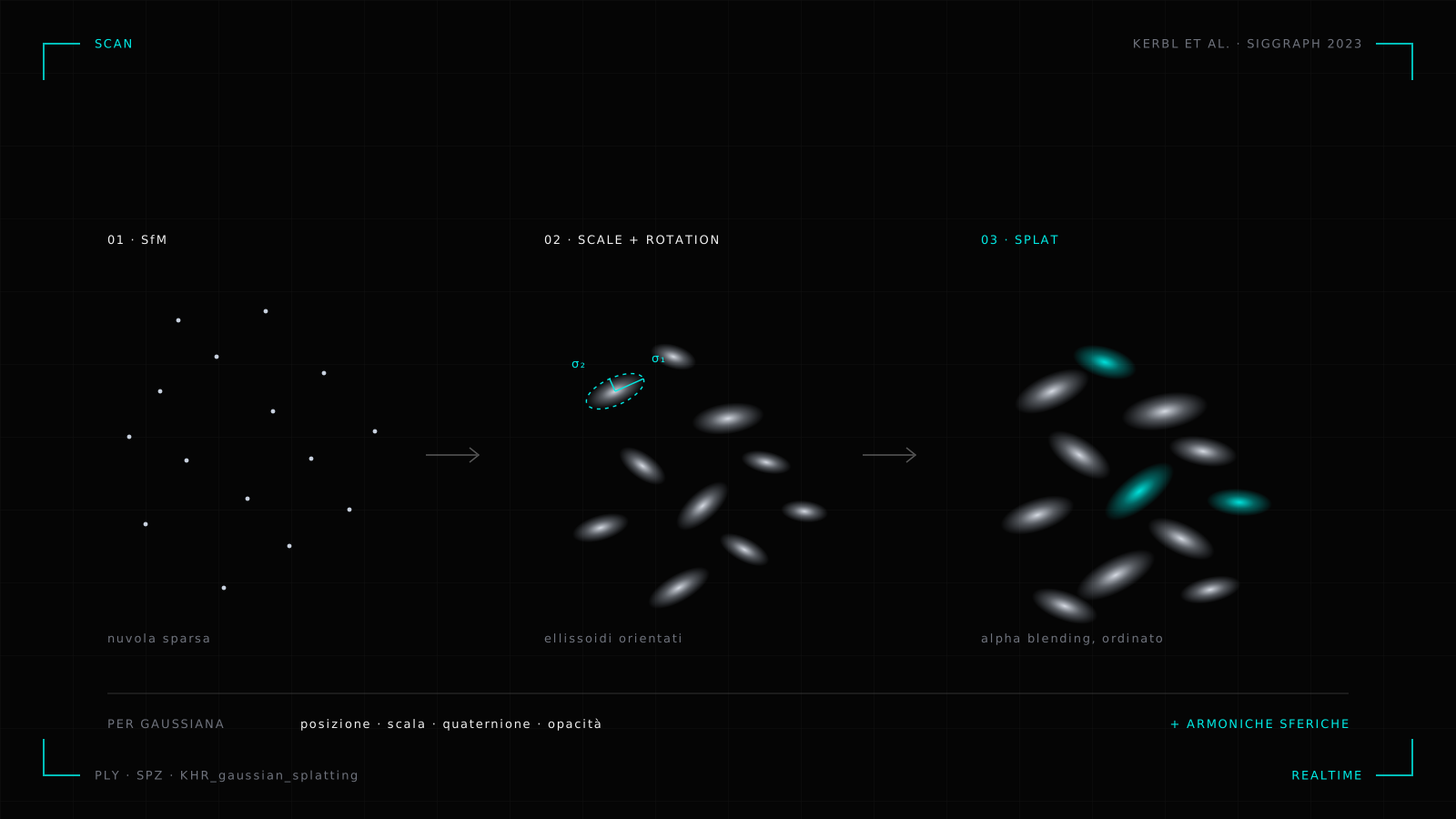
Gaussian splatting: what it is, where it stands, and where it actually helps
Three years on from the Inria paper: how a field of Gaussians works, why it renders in real time, what it cannot do, and how it fits a survey pipeline that also has to measure.
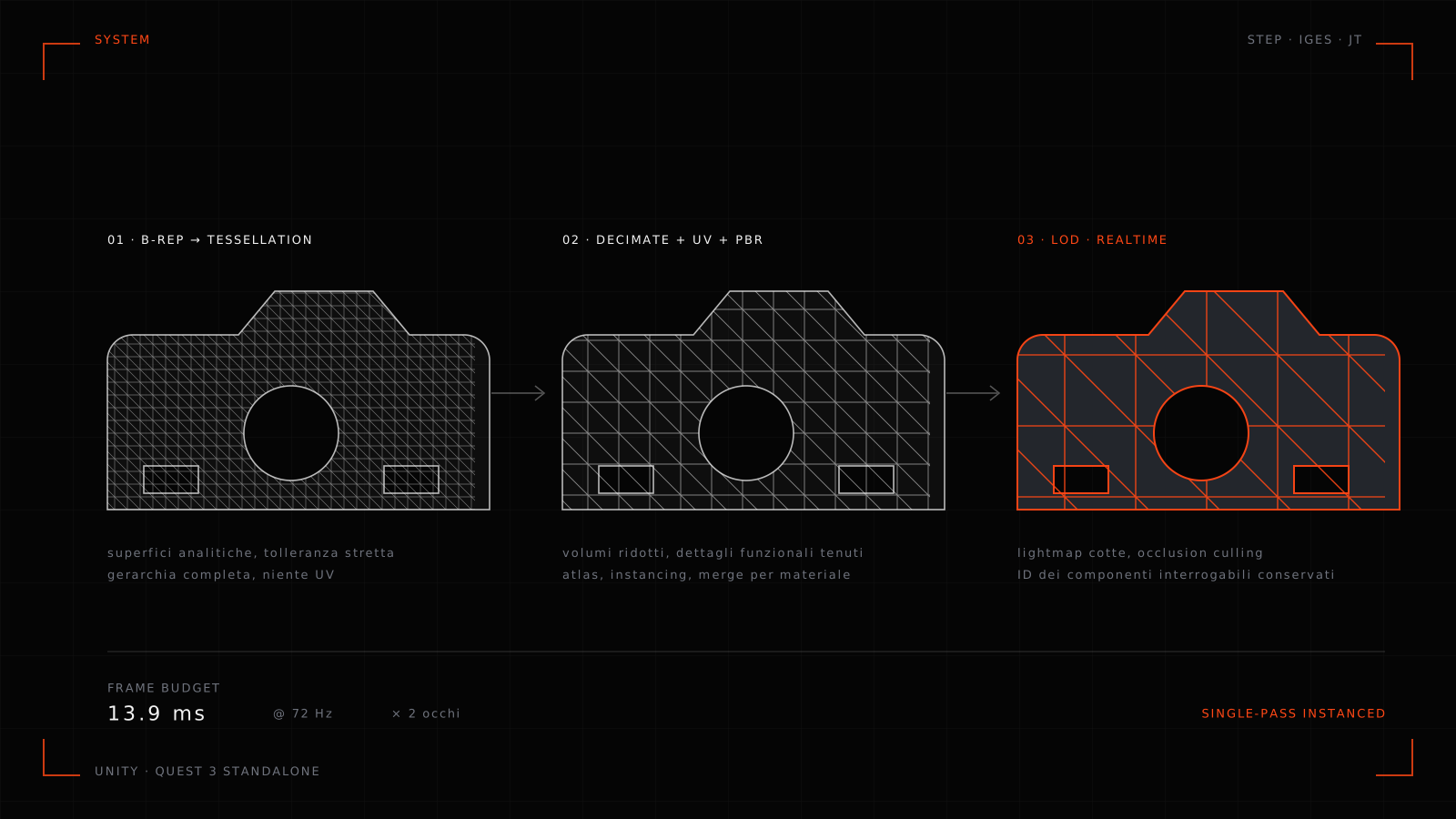
From CAD to headset: the pipeline for putting a production line in VR
A CAD assembly is not a mesh, and a standalone headset has 13 milliseconds to draw two eyes. What actually happens between the engineer's export and an application running on a Quest.